Category: Packers and Movers

The Blogs related to packers and movers.

Customer Experience in Relocation: What Makes a Packers and Movers Company Truly Reliable

Customer Experience in Relocation: What Makes a Packers and Movers Company Truly Reliable

Moving to a new house or office is never just about boxes and trucks. It is about trust. You are handing over your fridge, your kid's study table, your office files, and sometimes things that money simply cannot replace. So the real question is not "who charges less?" It is "who will treat my things like their own?"

In this blog, we will talk about what actually makes a packers and movers company reliable, and why customer experience matters more than price tags or flashy ads. We will also look at real numbers from India that show why this topic deserves your attention.

Why Customer Experience Matters More Than Ever

India's relocation industry has grown a lot in the last few years. A moving industry report from ShiftingApp shows that the packers and movers sector in India reached close to ₹90,016 crore in FY 2025-26, growing by 14.2% from the year before. That is a huge number. But growth in size does not always mean growth in trust.

The same industry report on India's moving sector tells us something worrying. Only 12% of moves in India are insured, and over 12,800 complaints were filed with the National Consumer Helpline in 2025 alone. This means thousands of families and businesses faced damage, delay, or poor service every single year.

Why does this happen? Because the same ShiftingApp study on market fragmentation points out that the top 10 organised players control only 8% of the market, while more than 50,000 small, unorganised operators handle the rest. With so many small players, quality becomes a gamble unless you choose carefully. This is exactly the gap that a company like Jaishwal Packers and Movers tries to fill by bringing structure, transparency, and accountability to a process that often lacks all three.

The Trust Problem in India's Moving Industry

Hidden Charges and Broken Promises

One of the biggest complaints customers raise is about hidden costs. As this blog post on hidden practices in the packers and movers sector explains, a moving company often gives a low quote in the beginning, and then adds charges for "fuel," "extra labour," or "handling fees" once the truck is already loaded. By then, the customer has no choice but to pay.

Damage and Poor Handling

Another common issue is damage to goods due to careless packing. According to this overview of challenges in India's relocation industry, many unregistered movers use poor-quality material and untrained labour, which leads to broken furniture, scratched appliances, or shattered glassware.

No One to Call After the Move

The third problem is silence after the job is done. The same guide to industry growth and trust issues notes that if something goes wrong, many small operators simply stop responding. There is no customer support, no claim process, and no one to take responsibility.

These three issues — hidden costs, poor packing, and missing support — are exactly where a reliable name like Jaishwal Packers and Movers Hooghly tries to stand apart from the crowd, by keeping its process open and its team answerable at every step.

How Indians Decide Who to Trust

Here is something interesting. Indian customers do not just trust advertisements anymore. A Nielsen study on trust in advertising among Indian consumers found that recommendations from friends and family are trusted by 91% of Indian consumers, while online consumer reviews are trusted by 77%, making reviews the second most trusted form of advertising in India.

This is a big deal for the relocation industry. When you are choosing a mover, you are not just picking a company. You are trusting the experience of hundreds of people who moved before you.

The Power of Reviews in 2025-26

A global Goodfirms survey on how online reviews shape buying behaviour, which had a huge 26% participation from India, found that 58% of people feel that a higher number of reviews makes a product or service safer to choose. The same survey found that 45% of people trust reviews more when the reviewer's profile is visible, showing that fake or anonymous reviews are losing their power.

Online Research Before Booking

A PwC consumer insights survey focused on Indian shoppers found that around 5 out of 10 Indian consumers regularly use their smartphones to check reviews or compare prices before making a buying decision. This means before booking a moving company, most customers in India are already checking reviews, websites, and ratings. A name that keeps showing up with consistent, positive feedback — something Jaishwal Packers and Movers Kalyani has worked to build over time — naturally earns more trust than one that has barely any online presence.

What Truly Reliable Movers Do Differently

They Give a Clear and Honest Estimate

A reliable mover visits your house or office, checks the actual volume of goods, and gives one clear price. No last-minute surprises. This single step removes most of the trust problem we discussed earlier.

They Use Proper Packing Material

Bubble wraps, sturdy boxes, wooden crating for fragile items, and trained labour are not optional extras. They are basic requirements. A trustworthy company treats packing material as protection, not as a cost to cut.

They Offer Insurance and Real Tracking

Since this ShiftingApp report on insurance penetration in Indian relocations shows that only 12% of moves in India are insured, asking for insurance is one of the smartest things you can do. A reliable company will offer this without hesitation and provide a way to track your goods in transit.

They Stay Available After the Move

Good service does not end once the truck is unloaded. If something is missing or damaged, the company should respond quickly and resolve it fairly. This single habit builds long-term reputation more than any advertisement can.

The Role of Technology in Building Trust

India's logistics sector overall is shifting fast towards digital tools. An IMARC Group analysis of the Indian logistics market projects growth at a CAGR of 6.48% between 2026 and 2034, with AI, automation, and real-time visibility tools becoming common across the supply chain. Even within road transport — the backbone of household and office shifting — a Mordor Intelligence report on India's freight and logistics market notes that GPS-based dispatch systems have already helped major fleet operators cut empty runs and improve delivery reliability.

For the packers and movers industry, this same shift means customers can now expect once impossible things — live tracking links, digital inventory lists, and instant customer support over chat or call. Companies that adopt these tools, the way Jaishwal Packers and Movers Chandannagar has tried to with transparent booking and follow-up support, are the ones building real, lasting trust with Indian households and businesses.

A Quick Look: What the Numbers Tell Us

A ShiftingApp report on India's packers and movers industry values the sector at about ₹90,016 crore, growing at 14.2% a year. The same ShiftingApp study on relocation insurance trends finds that only 12% of household and office moves are insured, and records over 12,800 complaints filed with the National Consumer Helpline in 2025. According to the same ShiftingApp breakdown of market fragmentation, 50,000-plus unorganised operators control 92% of the market.

On the trust side, a Nielsen survey on trust in advertising in India found that 91% of Indians trust word-of-mouth recommendations and 77% trust online reviews. A Goodfirms survey on global consumer review behaviour found that 58% of people trust a service more when it has a higher number of reviews. A PwC consumer insights survey on Indian shopping habits found that around 5 in 10 Indian consumers check reviews on their phone before deciding. And an IMARC Group report on the Indian logistics market sees the sector growing at a 6.48% CAGR through 2034, driven partly by digital adoption.

These numbers tell a simple story. The market is growing fast, but trust has not caught up at the same speed. That gap is exactly where customer experience becomes the real differentiator.

Final Thoughts

Choosing a packers and movers company is not just a transaction. It is a decision that affects your peace of mind on moving day and for weeks after. With thousands of unorganised players in the market and very low insurance coverage across the industry, doing your homework before booking is not optional anymore — it is necessary.

Look for clear pricing, proper packing standards, real insurance options, and a support team that answers even after the move is done. Read reviews carefully, ask questions before booking, and choose a partner who has shown consistency over time. Whether you are shifting a small flat or a full office setup, that consistency is what separates a forgettable mover from a name customers actually remember and recommend — and it is the standard that companies such as Jaishwal Packers and Movers Bardhaman continues to be measured against by the people they serve.

A good move is not just about reaching the new address. It is about reaching there with everything intact, on time, and without unnecessary stress. That is what true reliability looks like in this industry.

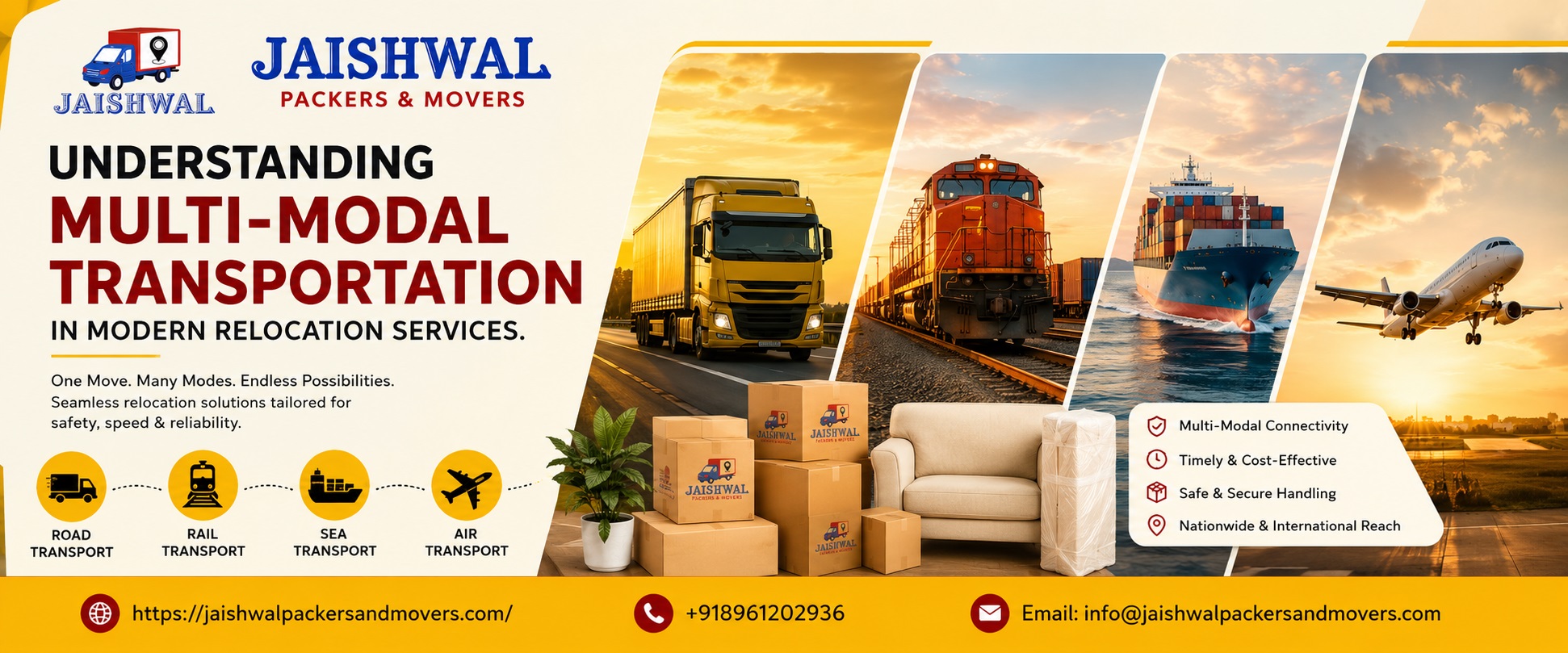
Understanding Multi-Modal Transportation in Modern Relocation Services

Understanding Multi-Modal Transportation in Modern Relocation Services

Shifting your home or office is never just about packing boxes. The real work happens after the boxes are sealed — when your goods have to travel from one city to another, sometimes across states, sometimes across the country. This is where multi-modal transportation comes in. It is one of those terms that sounds technical but is actually very simple once you understand it. And once you do, you will see why it has quietly become the backbone of how relocation companies in India move your belongings safely, faster, and at a fair cost.

In this blog, we will break down what multi-modal transportation means, why it matters for relocation, and how it is changing the packers and movers industry in India. We will also look at real numbers from government and industry sources to support our statements.

What Is Multi-Modal Transportation?

In plain words, multi-modal transportation means using more than one mode of transport to move goods from one place to another. Instead of relying only on a truck for the entire journey, your goods might travel part of the way by road, then switch to rail, and in some cases even move through a port or an airport before reaching the final destination.

Think of it like a relay race. One mode of transport carries the baton (your goods) for a certain distance, then hands it over to the next mode, which carries it further. The goal is simple — move the cargo in the most efficient, safest, and most cost-effective way possible.

Why Does This Matter for Household and Office Shifting?

When you are shifting your home or office, especially over a long distance, road transport alone can be slow, expensive, and exposed to delays from traffic, weather, or breakdowns. By combining road with rail or other modes, moving companies can:

  • Cut down transit time
  • Lower fuel and transport costs
  • Reduce the risk of damage from long, bumpy road stretches
  • Offer more reliable delivery timelines

This is exactly why a growing number of moving companies, including Jaishwal Packers and Movers, are shifting toward multi-modal solutions for long-distance relocations, rather than depending only on trucks.

How Multi-Modal Transportation Works in Real Relocation Projects

Let us say a family is shifting from Delhi to Bengaluru. A purely road-based journey would mean one truck driving the entire stretch, facing toll delays, traffic jams, and driver fatigue across nearly 2,000 kilometres. In a multi-modal setup, the same goods could be loaded onto a container, moved by rail for the bulk of the long-distance stretch, and then transferred onto a local truck for the last few kilometres to the new house.

This is often called the "first-mile and last-mile" approach — road handles the short distances at both ends, while rail or another bulk mode handles the long middle stretch.

The Role of Multimodal Logistics Parks (MMLPs)

India has been investing heavily in something called Multimodal Logistics Parks, or MMLPs. These are large facilities where road, rail, air, and sometimes waterway transport all connect at one point, making it easier to switch cargo between modes without delays. The Ministry of Road Transport and Highways has already awarded MMLPs at locations including Bengaluru, Chennai, Indore, Jalna, Jogighopa, and Nagpur, with the Jogighopa park in Assam built specifically to serve the northeastern region and neighbouring countries.

This matters for relocation because these hubs are exactly where companies like Jaishwal Packers and Movers Dunlop can plug into a faster, more organised network instead of relying purely on long-haul road trips.

Dedicated Freight Corridors Are Changing the Game

Alongside MMLPs, India has built Dedicated Freight Corridors (DFCs) — rail lines built only for cargo, separate from passenger trains. The difference these corridors make is significant. A report from KPMG India notes that moving coal over a 100-kilometre stretch on a traditional rail line used to take around 7 hours and 40 minutes; on the DFC, the same distance now takes just 4 hours, a nearly 50 per cent reduction in time. Freight trains on these corridors run at 60 to 70 kilometres per hour, compared to about 25 kilometres per hour on the older network.

For household and office shifting, this kind of speed improvement means goods spend less time in transit and reach their destination in a more predictable window.

Why the Numbers Matter: India's Logistics Backbone in Data

It helps to step back and look at the bigger picture. Multi-modal transportation is not a small experiment — it is central to how India is rebuilding its entire logistics system. Here are some figures worth knowing:

  1. India's logistics market was valued at around USD 243.82 billion in 2025 and is projected to grow to USD 429.02 billion by 2034, expanding at a yearly rate of about 6.48 per cent, according to IMARC Group.
  2. Roadways still dominate India's logistics movement, holding a 55 per cent share of the market in 2025, which is exactly why blending road with rail through multi-modal systems is so important for efficiency.
  3. India's logistics costs, which were once estimated at 13 to 14 per cent of GDP, have come down to roughly 10 to 10.7 per cent following close to USD 360 billion in infrastructure investment over the past decade, according to a CII and Knight Frank India study reported by Cargo Connect.
  4. The same study estimates that India will need around 215 to 216 large multimodal logistics parks by 2047 to handle freight demand, which is projected to touch nearly 28 billion tonnes by that year.
  5. Multimodal logistics parks connected to Dedicated Freight Corridors can cut door-to-door freight costs by as much as 43 per cent compared to relying only on road transport, per the same CII and Knight Frank report.
  6. India's ranking on the World Bank's Logistics Performance Index improved from 44th place in 2018 to 38th place in 2023, a sign of better infrastructure and service reliability, as highlighted by Invest India.
  7. India had 391.07 million registered vehicles as of 31 March 2025, with commercial vehicles making up 34.86 million, or about 8.9 per cent of the total, according to a NITI Aayog sectoral report on transport.
  8. The government has recently cut GST on freight and multi-modal transport services down to 5 per cent, alongside extended rail freight incentives, making rail-linked logistics parks more financially attractive, as reported by KPMG India.

These numbers tell a clear story. India is not just talking about multi-modal transport — it is actively building the highways, rail corridors, and logistics parks to make it work at scale. And as this infrastructure grows, relocation companies are among the biggest beneficiaries, because household and office goods are exactly the kind of cargo that benefits from a smoother, faster, multi-leg journey.

How This Benefits You as a Customer

You might be wondering how any of this affects your personal move. Here is the simple answer: when a moving company has access to rail corridors, logistics parks, and well-planned road networks, your goods are less likely to sit in a traffic jam for two extra days, less likely to face rough handling from repeated loading and unloading, and more likely to arrive within the time window you were promised.

This is part of the reason Jaishwal Packers and Movers Bansberia has been paying close attention to how routes are planned for long-distance moves — choosing the right combination of road and rail wherever it makes sense, rather than defaulting to road transport for every single shift.

What to Ask Your Moving Company

If you are planning a long-distance shift, here are a few questions worth asking your movers:

  • Will my goods travel only by road, or is a multi-modal route being used?
  • How many times will the goods be loaded and unloaded during transit?
  • What is the estimated delivery window, and does it account for any rail or hub transfers?
  • Is the cargo insured for the full journey, including any mode changes?

A transparent moving company will have clear answers to these questions and will be happy to explain the route plan to you in simple terms.

Final Thoughts

Multi-modal transportation is no longer a niche concept used only by big industries. It is steadily becoming part of how household and office relocations work across India, thanks to growing rail corridors, new logistics parks, and supportive government policies. The data backs this up clearly — lower logistics costs, faster freight movement, and a stronger national network are all part of this shift.

For anyone planning a move, especially over a long distance, it is worth choosing a mover that understands these changing dynamics. Whether your next shift is across the city or across the country, knowing how your goods will travel — and through how many modes — can make a real difference to your peace of mind.

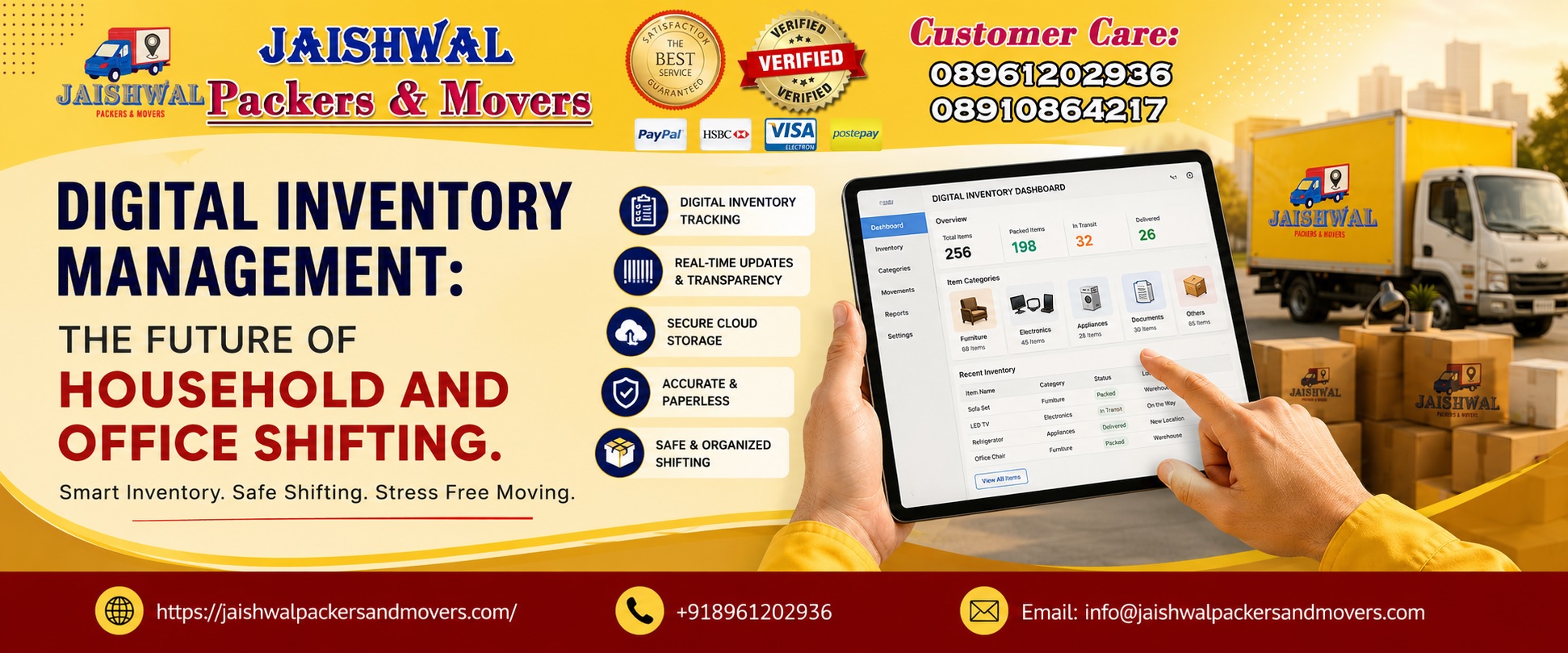
Digital Inventory Management: The Future of Household and Office Shifting

Digital Inventory Management: The Future of Household and Office Shifting

Shifting a home or an office is never easy. Boxes pile up, things go missing, and by the time you reach your new place, you are too tired to even unpack. This is where digital inventory management is changing the whole picture. It is turning a messy, stressful job into something simple, clear, and almost stress-free.

In this blog, we will look at what digital inventory management really means, why it matters so much in India today, and how it is shaping the way people and businesses shift their belongings.

What Is Digital Inventory Management?

In simple words, digital inventory management means using apps, software, or digital tools to keep track of every single item you are moving. Instead of writing item names on paper, you scan, photograph, or list each item on a screen. Every box gets a digital tag or code. Every item gets a record.

So when your moving truck reaches the new address, you know exactly what is inside each box, where it should go, and whether anything is missing. No more opening ten boxes just to find one kitchen knife.

How It Works in Real Shifting Situations

Here is a simple example. Suppose you are shifting a 2BHK flat. With a digital system, the moving team scans each box with a barcode or QR code. This code is linked to a list of items inside that box, photos of fragile items, and the room it belongs to. You get this list on your own phone, too. So you can check, in real time, where your belongings are during transit.

Many good moving companies, including Jaishwal Packers and Movers, have started using such tools to give customers peace of mind during the entire shifting process.

Why Indian Households and Offices Need This Now

India is shifting more than ever before, literally. People are moving cities for jobs, students are moving for education, and companies are relocating offices to bigger spaces or better locations. This constant movement needs a smarter system, not the old pen-and-paper way.

The Numbers Tell the Story

Let's look at some real data that shows why this shift towards digital systems makes sense.

  • India's logistics market, which also includes packing and moving services, was valued at around USD 243.82 billion in 2025 and is expected to grow steadily in the coming years, according to IMARC Group. This growth means more shifting activity and more need for organised tracking.
  • As per a report referenced on 3SC Solution, India has jumped to the 38th position in the World Bank's Logistics Performance Index in 2023, up from 44th in 2018. This jump happened largely because of digitisation in supply chains, which includes inventory tracking.
  • According to data shared on PMF IAS, the top districts that attract the most migrants in India are Mumbai, Bengaluru, Howrah, Central Delhi, and Hyderabad. These are also the cities where household and office shifting demand is the highest, making digital tracking systems even more useful.
  • A report on The India Forum states that as of 2025, more than 600 million people, almost 42 per cent of India's population, have moved within the country's borders at some point. That is a huge number of households packing up and relocating, often more than once in a lifetime.
  • Statista's research, available at Statista's logistics industry page, shows that the Indian logistics sector, including inventory and warehousing services, is moving steadily towards more formal and technology-driven operations to reduce costs and improve reliability.
  • The India Brand Equity Foundation (IBEF) reports that the number of online shoppers in India is projected to rise from around 280-300 million in 2025 to 420-440 million by 2030. More online buying directly means more home deliveries, more boxes, and a stronger need for organised tracking systems, the same systems that are now being used in shifting and relocation services.
  • According to SaaSUltra's 2026 e-commerce report, India now has over 700 million smartphone users, the second-largest smartphone base in the world. This widespread smartphone use is exactly what makes app-based, real-time inventory tracking during a house or office shift possible for almost every Indian household today.
  • Data from the India logistics market outlook by ship-pgl.com shows that smart warehousing using RFID and robotics is being adopted not just in big cities but also in smaller towns, helping the entire packing and moving industry manage inventory more accurately, whether it is for a single household or a large office relocation.

These numbers are not just figures on a page. They show a simple truth: India moves a lot, and the old ways of shifting cannot keep up with this scale anymore.

Benefits of Digital Inventory Management While Shifting


1. Nothing Gets Lost or Forgotten

When every item is logged digitally, the chances of losing something during a move drop sharply. You get a checklist, and that checklist does not lie.

2. Faster Unpacking

Since boxes are labelled and linked to digital lists, you know exactly which box has your bedroom items and which one has your office files. This saves hours of searching after the move.

3. Better Transparency Between Customer and Mover

Both the customer and the moving company can see the same inventory list. This builds trust. There are no arguments later about what was packed and what was not.

4. Easy Insurance Claims

If something does get damaged, having a digital record with photos and item details makes the insurance claim process much smoother and faster.

5. Useful for Office Shifting Too

Offices have computers, files, furniture, and equipment that all need careful tracking. A digital inventory system helps companies shift without losing important documents or expensive equipment.

How Moving Companies Are Adopting This Change

Packing and moving companies across India are slowly but surely adopting digital tools. From mobile apps that let customers track their goods in real time, to barcode systems that link physical boxes with digital records, the entire industry is moving towards a tech-friendly future.

Companies like Jaishwal Packers and Movers Panagarh are part of this changing landscape, where customer convenience and accurate tracking matter as much as the actual physical move. When a moving company combines experienced staff with smart digital tools, the entire shifting experience becomes far less stressful for the customer.

What to Look for in a Good Digital Moving Partner

If you are planning a shift soon, here are a few things worth checking before hiring a moving company:

  • Do they provide a digital inventory list of your items?
  • Can you track your shipment status on your phone?
  • Do they take photos of fragile or valuable items before packing?
  • Is there a clear system for handling damages or missing items?

A company that answers yes to most of these questions, such as Jaishwal Packers and Movers Bandel, is more likely to give you a smooth and worry-free shifting experience.

The Road Ahead

As India keeps growing and more people keep relocating for work, education, and better living standards, the demand for organised, trackable, and stress-free moving services will only increase. Digital inventory management is not just a fancy add-on anymore. It is becoming a basic expectation.

Whether you are moving your home to a new city or moving your office to a bigger space, choosing a moving partner who understands the value of digital tracking can save you time, money, and a lot of headaches.

Final Thoughts

Shifting will always involve some amount of work and planning. But it does not have to be chaotic anymore. With digital inventory management, you get control, clarity, and confidence throughout the process. As more companies adopt these tools, the experience of moving homes and offices in India is set to become smoother for everyone involved.

So next time you plan a move, ask your moving company about their digital tracking system. It might just be the difference between a stressful shift and a smooth one.

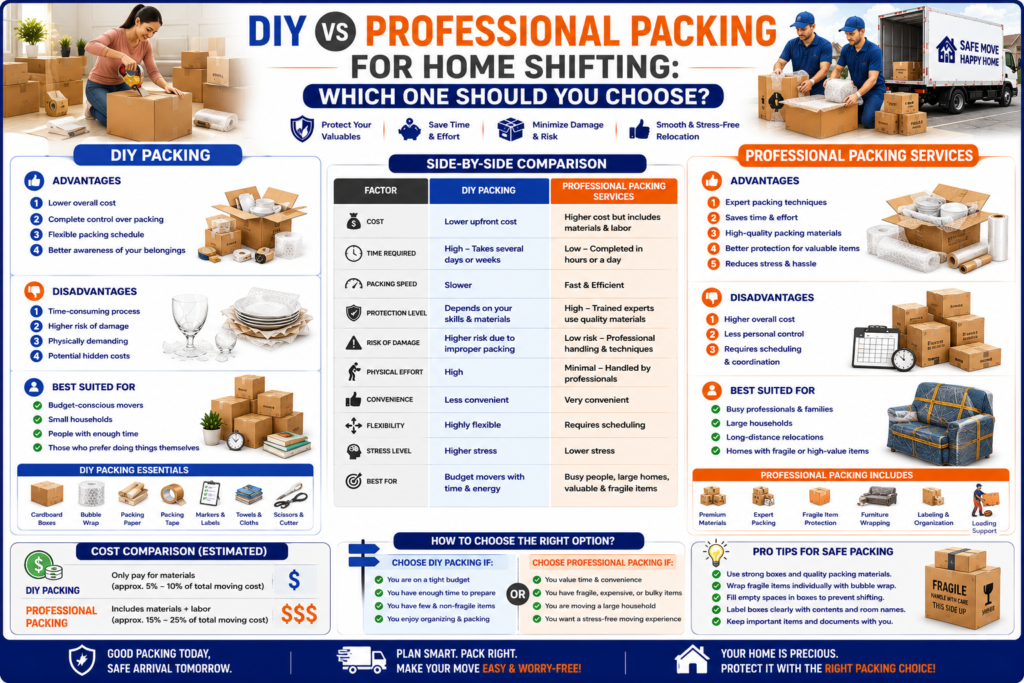
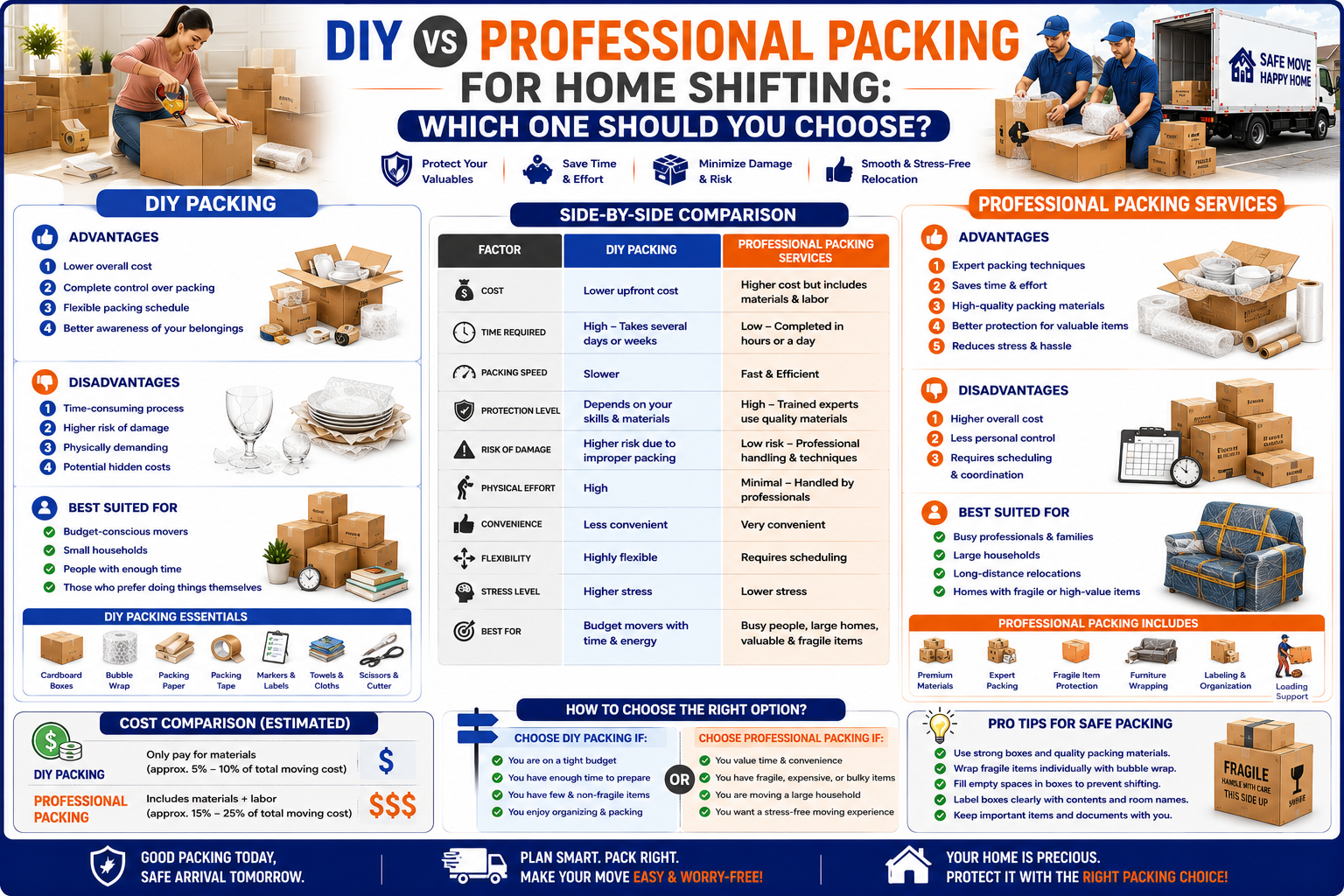
DIY vs Professional Packing for Home Shifting: Which One Should You Choose?

DIY vs Professional Packing for Home Shifting: Which One Should You Choose?

DIY vs Professional Packing for Home Shifting: Which One Should You Choose?

Moving into a new home is one of life’s most exciting milestones, but let’s be honest—it is also incredibly exhausting. Between sorting through years of accumulated memories, setting up utilities, and trying to keep your daily life on track, the sheer volume of things to do can quickly become overwhelming. Right at the centre of this chaotic whirlwind sits one massive, unavoidable question: Should you roll up your sleeves and pack everything yourself, or should you open up your wallet and bring in the professionals?

There is no single right answer here because everyone's situation is completely different. While some people love the cost-cutting benefits of a DIY approach, others see the immense value in handing the heavy lifting over to an experienced crew like Jaishwal Packers and Movers. The choice you make will ultimately hinge on a few key factors: your current budget, how much time you have before move day, the distance of your relocation, and how valuable or fragile your belongings are.

To help you cut through the confusion, we have put together this detailed guide comparing both routes. We will dive deep into the real pros and cons of going solo versus hiring an expert team, and even explore a middle-ground solution you might not have considered yet.

Why Packing Is the Most Important Part of a Move

It is easy to view packing as a mundane chore, but in reality, it is the absolute foundation of a successful move. The way your belongings are wrapped, boxed, and stacked dictates exactly how smoothly the rest of your relocation journey will unfold. When you take the time to pack things correctly, you are not just putting items in boxes; you are actively protecting your hard-earned possessions from getting smashed, cracked, or scraped while in transit. According to moving safety statistics on Moving.org, proper containment reduces transit damage claims by over sixty per cent. Good packing also creates a domino effect of efficiency—it makes loading the moving truck infinitely easier, speeds up the unloading process, and saves you from massive headaches when you start unpacking in your new space.

On the flip side, cutting corners during the packing phase is a recipe for disaster. If you use flimsy boxes or skip out on proper cushioning, you are practically begging for broken heirlooms, lost items, and a mountain of unnecessary frustration. Poorly packed goods can also cause major delays on moving day and can even drive up your overall relocation costs if things have to be re-secured or replaced. At the end of the day, whether you decide to tackle this project as a solo weekend warrior or delegate it to a team specialising in House Relocation in Kolkata, the quality of the packing work will make or break your moving experience.

What Is DIY Packing?

In simple terms, DIY (Do-It-Yourself) packing means you take full ownership of the entire preparation process from start to finish. Nobody else is stepping foot in your home to wrap your dishes or box up your closet. You are the one driving around town to hunt down cardboard boxes, purchasing tape and bubble wrap, and spending your evenings deciding what to keep, donate, or throw away.

From carefully wrapping your fragile kitchen glassware to meticulously labelling every single box, a DIY project requires you to be the manager, labourer, and organiser. While it sounds like a lot of work (and it is), many homeowners actively prefer this route. It gives you absolute control over how your personal property is handled, which can offer a great deal of peace of mind.

Advantages of DIY Packing


1. Keeping Extra Money in Your Pocket

The most obvious and compelling reason people choose to pack themselves is the massive cost savings. Relocating can get incredibly expensive, and skipping professional packing services allows you to bypass expensive labor fees and hidden service charges completely. If you are working with a tight budget, managing the packing yourself is one of the easiest ways to keep your relocation expenses under control.

2. Absolute Control Over the Process

When you handle your own packing, you don't have to worry about strangers going through your personal drawers or mishandling sentimental items. You get to decide exactly how things are grouped together, which fragile items get extra layers of protection, and what order the rooms get packed in. For anyone who is naturally particular about organisation, this autonomy is a massive plus.

3. A Schedule That Works for You

Professional packers usually show up and blast through your entire house in a day or two, which can feel a bit overwhelming. With a DIY approach, you set the pace. You can start weeks in advance, tackling one small closet or bookshelf at a time. This flexible timeline allows you to balance packing with your job, family life, and other everyday commitments without feeling rushed.

4. You Know Exactly Where Everything Is

Have you ever lived out of boxes for weeks because you couldn't find your TV remote or coffee mug? Packing yourself helps prevent this nightmare. Because you are the one putting every single item into its designated box, you will have an intimate, mental inventory of your belongings. This deep familiarity makes the unpacking process at your new home significantly faster and less stressful.

Disadvantages of DIY Packing


1. It Eats Up a Massive Amount of Time

The biggest trap of DIY packing is underestimating just how much time it actually takes. It is not just about throwing things into a box; it is the hours spent sourcing materials, wrapping individual plates, taping seams, and organising piles. For medium to large households, this chore can easily devour all your free evenings and weekends for a month straight, leaving you completely drained before the move even officially starts.

2. Higher Risk of Accidentally Breaking Things

Let’s face it: most of us aren't trained in spatial awareness and logistics. Without professional packing experience, it is easy to make critical mistakes like overloading a large box with heavy books, leaving empty gaps that cause items to shift, or using weak grocery store boxes that collapse under pressure. These simple errors can lead to heartbreak when you open a box to find shattered valuables.

3. The Physical Toll on Your Body

Packing is a gruelling, physical endurance test. It requires hours of bending over, kneeling on hard floors, lifting heavy boxes, and manoeuvring bulky items around tight corners. If you aren’t used to this kind of manual labour, a DIY move can easily leave you with a strained back, sore muscles, and sheer physical exhaustion. For safety tips on lifting heavy items, the Occupational Safety and Health Administration (OSHA) provides excellent guidelines on proper ergonomics.

4. Sneaky Hidden Expenses

While DIY packing seems like the cheapest route upfront, the costs can quietly add up behind your back. Buying retail-priced bubble wrap, speciality wardrobe boxes, and heavy-duty tape from local stores is surprisingly expensive. Add in the cost of taking time off work, buying pizza for friends who backed out of helping, and replacing items that broke because they weren't wrapped correctly, and the price gap between DIY and hiring pros starts to shrink dramatically.

What Are Professional Packing Services?

If the thought of touching a single roll of packing tape fills you with dread, professional packing services are your golden ticket. When you hire professionals, a trained, efficient crew arrives at your doorstep equipped with a truck full of premium materials. They take over the entire operation, handling everything from wrapping delicate porcelain to custom-crating electronics and prepping heavy furniture so it doesn't get scuffed during the journey.

These teams do this for a living, meaning they understand the physics of moving. They know exactly how to pack a box so it maximises space while eliminating the risk of internal shifting. This service can be hired as a standalone option, but it is most commonly booked as an add-on feature with experienced Packers and Movers Kolkata.

Advantages of Professional Packing Services


1. Battle-Tested Techniques

Professional packers aren't just winging it; they use specialised techniques developed over years of experience. They know the exact science behind protecting awkward, heavy, or incredibly delicate items like oil paintings, flat-screen TVs, grandfather clocks, and fine crystal. Their expertise means your items have the highest possible chance of surviving a bumpy ride completely unscathed.

2. Mind-Blowing Speed and Efficiency

What would take a normal homeowner three weekends of gruelling labour can usually be knocked out by a professional crew in just a matter of hours. They work like a well-oiled machine, methodically clearing out rooms and boxing up items at a pace that is tough to match on your own. This incredible speed frees up your schedule and prevents your home from looking like a chaotic war zone for weeks on end.

3. Access to Industrial-Grade Materials

When you hire a pro team, you are getting access to top-tier packing supplies that you can't easily find at a local hardware store. They use heavy-duty, double-walled corrugated boxes, commercial-grade furniture blankets, specialised foam padding, and moisture-resistant wrapping. These premium materials offer a level of defence that standard cardboard simply cannot match.

4. A Massive Load Off Your Mind

Moving is notoriously high-stress, but outsourcing the packing process takes a massive psychological weight off your shoulders. Instead of spending your nights worrying about boxes, you can focus on the big-picture details of your relocation, such as coordinating with utilities, handling school transfers for your kids, managing your work, or simply mentally preparing for the transition.

5. Enhanced Insurance and Liability Coverage

One of the best perks of using a professional service is the accountability factor. Most reputable moving companies offer valuation coverage or insurance options when they handle the packing themselves. You can read more about how consumer protection laws govern interstate and local transport responsibilities on the Federal Motor Carrier Safety Administration (FMCSA) portal. This means if they pack a box and an item breaks inside during the trip, the company is on the hook for the damage. If you pack that same box and it breaks, you are generally out of luck.

Disadvantages of Professional Packing Services


1. It Comes with a Premium Price Tag

The most glaring downside to professional packing is the impact on your wallet. Labour and high-quality materials don't come cheap, and adding full packing services can significantly bump up your overall moving estimate. If you are already stretched thin by real estate fees, security deposits, or new furniture purchases, this added expense might be a dealbreaker.

2. Relinquishing Personal Privacy

For some homeowners, the idea of strangers handling their personal items, medical supplies, financial paperwork, or sentimental keepsakes feels incredibly invasive. Even though professional movers are focused entirely on getting the job done efficiently, losing that layer of personal privacy can make some people feel deeply uncomfortable.

3. Rigid Scheduling and Lack of Flexibility

When you hire professionals, you are tied to their calendar. You have to coordinate specific dates and blocks of time for them to access your home, which leaves very little room for last-minute pivots or spontaneous changes. If your moving dates are fluid or unpredictable, this strict structure can add an extra layer of logistical stress.

DIY Packing vs Professional Packing: Side-by-Side Comparison

To give you a quick, birds-eye view of how these two methods stack up against each other, take a look at this breakdown:

Feature DIY Packing Professional Packing


Total Cost Budget-friendly and highly economical Premium pricing; higher overall cost
Time Investment Very high; demands days or weeks of your time Minimal; done in a fraction of the time
Convenience Factor Low to moderate; physically exhausting Exceptional; entirely hands-off for you
Damage Protection Variable; it depends entirely on your personal skill Top-tier; commercial-grade security
Physical Effort High; requires heavy lifting and endurance Virtually none required from you
Supply Quality Basic or whatever you can source locally Industrial-grade, speciality moving materials
Stress Level Often high due to time pressures Significantly lower peace of mind

When DIY Packing Makes Sense

Taking the DIY route is often the smartest move if you are working within a tight, rigid budget where every dollar counts. If saving money is your absolute top priority, handling the labour yourself is a no-brainer. It is also a fantastic option if you have an abundance of time before your move-out date, allowing you to turn packing into a casual, low-stress project over several weeks rather than a frantic rush.

Additionally, DIY packing is highly practical if you are only moving a small studio, a one-bedroom apartment, or a minimalist household. Fewer belongings mean less physical strain, making the project completely manageable for an individual or a couple. Finally, if you are someone who finds joy in decluttering and organising things exactly your way, doing it yourself ensures the entire process aligns perfectly with your personal vision. Helpful organisation methods can be explored via resources on Architectural Digest to optimise space usage.

When Professional Packing Is Worth Every Penny

On the flip side, paying for professional packing is an absolute lifesaver if your home is packed with high-value items, fragile electronics, expensive artwork, or delicate family heirlooms. When items cannot easily be replaced, relying on professional-grade protection is worth the investment. It is also the superior choice for long-distance or cross-country moves, where your boxes will face hours of vibrations, bumps, and turns on the highway.

If you are a busy professional, a parent managing a hectic household, or simply someone who is completely short on time, outsourcing this massive chore buys you your freedom back. Furthermore, for large, multi-story family homes packed with decades of belongings, trying to tackle the packing solo can quickly cross the line from a challenge into an absolute nightmare. In these scenarios, the sheer convenience and mental relief provided by a pro crew more than justify the cost.

The Hybrid Option: The Best of Both Worlds

If you find yourself stuck in the middle—wanting to save money but terrified of breaking your most valuable items—you don't actually have to choose one extreme over the other. Many savvy homeowners opt for a hybrid approach that gives them the ultimate balance of affordability and safety.

With a hybrid move, you take care of the easy, sturdy, and deeply personal items yourself. You can easily box up your own clothes, books, bed linens, plastic kitchenware, and home decor. Then, you hire a professional team for a few hours specifically to handle the high-risk, difficult items. Let the experts wrap your fragile kitchen china, pack up your delicate flat-screen TVs, secure your artwork, and prep your heavy furniture. This compromise keeps your out-of-pocket costs relatively low while giving you total peace of mind that your most vulnerable possessions are completely safe.

Crucial Questions to Ask Yourself Before Deciding

If you are still on the fence, sit down with a cup of coffee and ask yourself these five simple questions to clarify your path forward:

  • How much time do I actually have left? If your moving day is right around the corner and you haven't even opened a box, save yourself the panic attack and call in the pros.
  • What does my budget look like? Look honestly at your moving funds. Is there room to breathe, or will hiring help force you to cut corners elsewhere?
  • How much fragile or expensive stuff do I own? If your home is filled with basic, durable furniture and everyday items, DIY is easy. If you own fine china and delicate antiques, think twice.
  • How large is my actual house? Packing a small apartment is a fun weekend project; packing a four-bedroom house with a garage is a monumental undertaking.
  • Am I physically up for the challenge? Be honest about your physical health. If you struggle with back pain or simply hate manual labor, professional help is worth its weight in gold.

Common Packing Pitfalls to Avoid at All Costs

No matter which path you ultimately choose, a successful move requires avoiding a few classic packing blunders that catch people off guard every single day:

Relying on Old, Flimsy Boxes

It can be tempting to grab free, soggy cardboard boxes from behind a local grocery store, but old boxes lose their structural integrity quickly. They are prone to collapsing or tearing open from the bottom when lifted, potentially destroying whatever is inside. Always invest in high-quality, sturdy moving boxes for your heavy or valuable items.

Skipping the Labelling Step

When you are exhausted at the end of a long day of packing, it is easy to just tape a box shut and tell yourself you will remember what is inside. Trust us, you won't. Failing to clearly label your boxes with the room destination and a summary of contents turns your new home into a chaotic guessing game, making unpacking twice as long as it needs to be.

Overloading Your Cartons

A common instinct is to fill a massive box to the brim with heavy items like books or weights just to get them out of the way. This is a massive mistake. Not only does it create a box that is incredibly dangerous to lift, but it also puts immense pressure on the cardboard seams, drastically increasing the chances of a blowout. Keep heavy items in small boxes, and use larger boxes for light, bulky things like pillows and blankets.

Leaving Dangerous Gaps and Empty Spaces

If you pack a box but leave space at the top or along the sides, the items inside will violently rattle and bash against each other during transport. Furthermore, when stacked inside the moving truck, the space will cause the box to crush under the weight of other containers. Always fill empty gaps with crumpled packing paper, bubble wrap, or even old towels to keep everything locked securely in place.

Final Thoughts

At the end of the day, choosing between DIY packing and hiring a professional service isn't about finding a perfect answer—it is about finding the answer that fits your specific lifestyle, budget, and comfort level right now. If you have a strong back, a helpful circle of friends, and plenty of time to spare, tackling the move yourself can be an incredibly rewarding and budget-friendly experience. But if you are drowning in a busy schedule, stressed about delicate valuables, or simply want to fast-track the entire moving process, letting a professional crew step in is one of the best investments you can make.

For the vast majority of families, hitting that sweet spot with a hybrid approach offers the ultimate mix of affordability and stress relief. Whichever direction you choose to take, remember that starting early and refusing to cut corners on your packing materials are the real keys to success. Take a deep breath, plan your strategy step by step, and focus on the exciting new chapter waiting for you at the end of the journey.

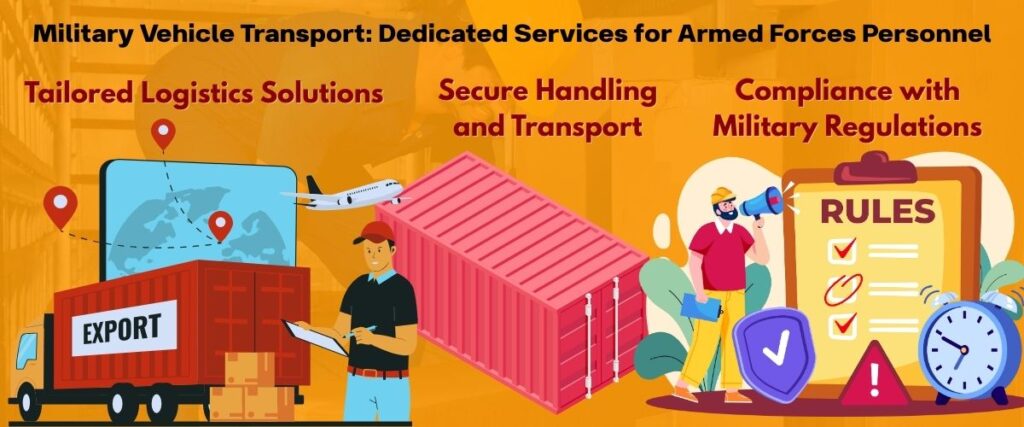
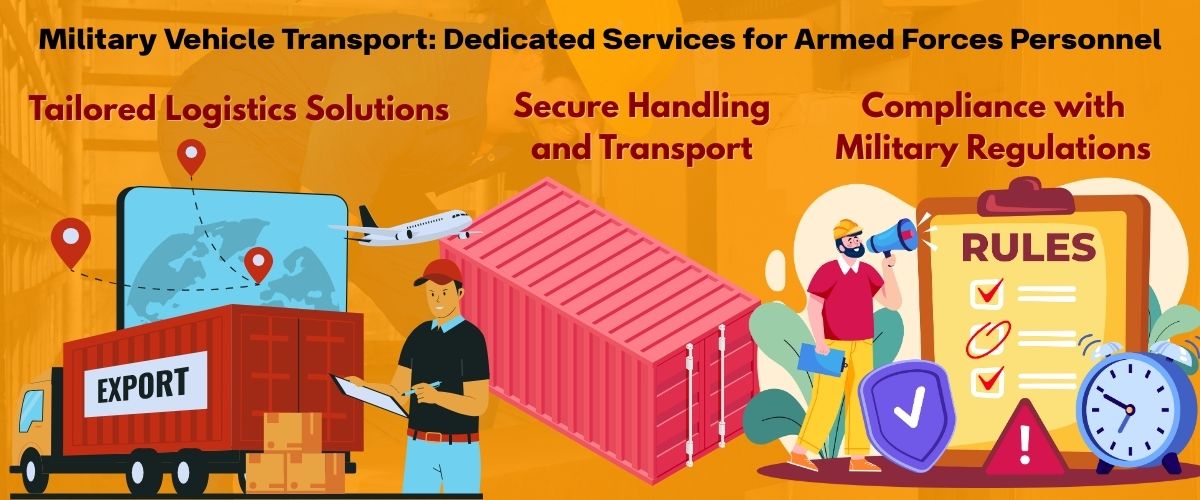
Military Vehicle Transport: Dedicated Services for Armed Forces Personnel

Military Vehicle Transport: Dedicated Services for Armed Forces Personnel

The transportation of military vehicles is a critical aspect of armed forces operations, requiring specialized services to ensure reliability, efficiency, and security. This document outlines eight key points regarding the dedicated services for military vehicle transport, highlighting the essential considerations and benefits provided to armed forces personnel. The transportation of military vehicles is a specialized service that demands meticulous planning, secure handling, and adherence to stringent regulations. Dedicated services for armed forces personnel provide tailored logistics solutions, expertise in handling diverse vehicle types, real-time tracking, and comprehensive support. These services ensure that military vehicle relocations are conducted with the highest levels of reliability, efficiency, and security, ultimately contributing to the operational readiness and effectiveness of armed forces.

Tailored Logistics Solutions

Many military personnel relocate frequently, making reliable, affordable, and safe vehicle shipping essential. Reputable military-focused brokers efficiently coordinate trusted transport carriers to make each relocation a breeze. They offer flexible shipping options, balancing cost and protection, including open transportation, which is suitable for most standard POVs. Enclosed transport is also available for those who want a more secure option.

During wartime, the total defence concept enables military units to augment logistics capacities with civilian vehicles temporarily requisitioned from non-military companies and organisations as well as private owners. The mobilization process is governed by laws specifying conditions, obligations, and rights for all involved parties.

Secure Handling and Transport

Most armed forces members live in hectic and stressful lifestyles. They are constantly relocated, transporting their private vehicles and personal possessions across cities or even countries. For this reason, military personnel look for reliable auto transport services that can ease the relocation process and give them peace of mind throughout the entire shipment period.

Specialized military car shipping companies have a number of key features that make their services stand out from other auto transport providers. For one, they offer flexible scheduling options and expedited delivery to accommodate the time-sensitive nature of military moves. They also recognize that some service members may have sensitive government-issued vehicles or other valuable belongings in their cars, and they implement strict protocols to protect them from any possible theft or damage during transit.

In addition, they offer a door-to-door service to avoid costly terminal-to-terminal deliveries. Military vehicle transport companies may also help service members with arranging comprehensive insurance coverage on their vehicles, which can cover any damages or losses during shipping.

Expertise in Handling Diverse Vehicle Types

Military vehicle transport is a complicated process that requires specialized expertise. Dedicated military car shipping services are trained to handle all aspects of the move, including securing and loading equipment, following strict safety rules, and handling security concerns. They also know the ins and outs of different military vehicles, so they can quickly adapt to changes during transit.

The most important factor in ensuring a smooth military vehicle transport is thorough preparation and working with a reliable service. Look for a company with a strong reputation, positive reviews, and appropriate licensing and insurance.

Also, be sure to consult with your local transportation office for advice on what to expect during a PCS move. They can help you understand vehicle shipping allowances, limitations, and out-of-pocket expenses. You should also be prepared for possible weather disruptions and route changes. Choose routes that fit your vehicle's size and weight, and stay away from low bridges or narrow paths. Finally, remove or secure any loose items that could damage the vehicle during transit. This includes antennas, mirrors, and external storage accessories.

Compliance with Military Regulations

Getting ready for military vehicle transport is a detailed process. You need to check your vehicle’s fluid levels and make sure all leaks are repaired before relocating. You also need to clean the vehicle and remove personal items. Additionally, you should secure loose parts and accessories to avoid damage during transit.

In most cases, the military covers the cost of auto shipping for one privately owned vehicle during a Permanent Change of Station (PCS) move within the United States or between overseas locations. However, service members should speak with their transportation office to see what benefits are available for their specific relocation.

Dedicated military car shipping companies provide expert logistics solutions for PCS moves. They work closely with military bases to help make loading and unloading smoother, arrange for suitable accommodations, and solve any problems that may arise during transit. These steps improve the overall quality of the experience and ensure that vehicles are shipped securely across long distances. Additionally, they adhere to strict standards for Heavy Military Vehicle Transport Safety.

Real-Time Tracking and Communication

During deployments and other military operations, it’s vital that commanders and soldiers have real-time situational awareness. This allows them to make more informed decisions on the battlefield, resulting in improved mission success rates and force protection. It also enables them to better coordinate and synchronize their movements on the ground, which in turn reduces logistical requirements and costs.

In order to track and monitor their vehicles, equipment, key personnel and canine units, military bases need effective tracking and monitoring solutions that provide 24/7 visibility. This includes real time data and reporting, as well as remote alerts that allow them to save invaluable resources by reducing the need for maintenance and replacement.

To make it easier for service members to ship their personally owned vehicles, reputable shipping companies offer both open and enclosed auto transport options. In addition, they offer door-to-door delivery, ensuring that your vehicle arrives at its destination in perfect condition. When choosing a military car shipping company, look for transparent pricing. They should provide tools and shipping calculators that let you enter specific information about your vehicle to receive detailed quotes with all charges included, including possible fees like pick-up and delivery.

Efficient and Cost-Effective Services

Dedicated military auto transport companies provide efficient and cost-effective services to help ease relocations for service members. They understand that personally owned vehicles (POV) can be essential to family life and offer door-to-door car shipping that saves time and money compared to driving the vehicle to the new destination.

They work in coordination with unique timelines associated with PCS orders, ensuring vehicle pickup and delivery is timely and seamless. They also offer competitive and transparent pricing, which makes budgeting easy for service members. If the value of a vehicle warrants an extra level of protection, they can also provide enclosed transport options for added peace of mind.

Additionally, they often provide insurance to cover any unlikely damage during transit, mitigating monetary concerns for the service member. Their operations are also environmentally friendly, reducing emissions and fuel consumption from individual drivers. Ultimately, outsourcing these transportation tasks to professionals eliminates unnecessary stress for service members during relocations and ensures their cars are delivered on time and in the best possible condition.

Flexibility and Adaptability

A military lifestyle demands flexibility and adaptability, which is why many service members entrust their personal vehicles to specialized auto transport services. Dedicated to easing their relocation process and ensuring the safe delivery of their Personal Operating Vehicles (POV), these companies prioritize promptness, security measures, and transparent communication with customers.

Additionally, they provide flexible shipping options that suit various budgets and timelines. For instance, they offer open and enclosed auto transport services so that service members can choose the best option for their needs.

To further ensure the safety and efficiency of their shipping services, reputable military car shippers are certified by national regulatory bodies. Some even hold memberships to prestigious organizations that prove their commitment to excellence and high-quality customer care. As a result, they can deliver a seamless and hassle-free shipping experience for their military clients.

Comprehensive Support and Coordination

Military PCS vehicle shipping often requires a complex array of paperwork, inspections and procedures. Specialized brokers and trusted transport carriers understand these details and provide comprehensive, efficient support and coordination. They ensure that your vehicle gets where it needs to go with no issues or delays.

A reputable, military-focused auto transport company will give you a free car shipping quote online to help you estimate costs. This is essential to avoid any surprises, particularly if your car is large or exceeds standard shipping allowance capacities. Detailed quotes also let you see any potential extra fees like pick-up and delivery charges, as well as any expedited shipping options available.

Enclosed transport is a premium option that provides an extra layer of protection by shielding your vehicle from dust, debris and weather elements while it’s on the road. While it is more expensive than open shipping, the added safety and reliability may be worth it for you. For more information, contact your installation transportation office to better understand shipping allowances and limitations.

Tips for Preparing Your Vehicle for Long-Distance Transport

Tips for Preparing Your Vehicle for Long-Distance Transport

Transporting your vehicle over long distances can be a daunting task. Ensuring your car is ready for the journey can prevent potential issues and ensure it arrives at its destination in excellent condition. Here are eight essential tips to help you prepare your vehicle for long-distance transport. you can ensure a smooth and hassle-free long-distance transport for your vehicle. Proper preparation is key to safeguarding your car and ensuring it reaches its destination in the same condition it was in before the journey.

Clean Your Vehicle

The first step to preparing your vehicle for long-distance transport is giving it a thorough cleaning. This should include washing and vacuuming the interior as well as wiping down surfaces and removing odors. Keeping your car clean can help you spot any damage caused by the shipping process more easily.

During the transit process, your vehicle will be jostled around quite a bit. Things like hanging items, vent clips and even your spare change can shift or break during transport. To avoid this, it is best to remove any personal items from your car that could get tossed about. This includes visor organizers, trunk organizers and any electronics you may have in your vehicle.

Next, you should take the time to thoroughly inspect your vehicle for paint chips, scratches or dents and document them with photos. Be sure to include the date and time so that if any additional damage occurs, you have the documentation necessary to claim compensation from the carrier. Also, be sure to disable any alarm systems, as the subtle and sometimes not-so-subtle movements of an auto transport truck can set them off.

Remove Personal Items

Having too many personal items in your car can lead to damage during transport. If the items shift, they could scratch or dent your vehicle or even get lost during transit.

In addition, they can add weight to your vehicle which may result in extra charges or even delay the transport of your car. It’s best to remove any personal belongings and vehicle add-ons prior to transport such as radar detectors, garage door openers, air fresheners, pens and spare change.

It’s also a good idea to do a quick maintenance check before handing over your car for auto transport. Take clear photos of your car from multiple angles and document any existing dings, scratches or damages that might worsen during transit. These photos will be useful in case of an insurance claim in the future. You should also disable any alarm systems to prevent them from triggering during transportation and incurring additional charges or interrupting the delivery of your vehicle. Also make sure to maintain your tire pressure at the recommended as under-inflated tires can cause damage to the wheels and suspension of your car.

Check for Leaks

Oil leaks can pose a fire hazard during transport and can damage the paint and components of other cars on the carrier. If your vehicle has an oil leak, take the necessary steps to address it and inform the driver. This will allow them to take precautions when positioning your car on the truck, avoiding contamination and potential damages.

Coolant is another vital fluid that helps regulate engine temperature and protects the cylinders from overheating. Inspect the coolant level and condition, as well as hoses for leaks or signs of damage. If your coolant is low or appears rusty, it may be time for a flush and change.

Tire leaks can also cause costly problems during auto transport, and it’s important to inspect and repair them before the shipment date. In addition, if you notice that one or more of your tires are deflated, notify the company immediately. This will prevent delays and additional charges from arising during the loading process. If you don’t disclose the issue before transport, the weight of your car might cause the tire rim to scrape or damage the carrier, leading to additional costs.

Perform Necessary Maintenance

Vehicles that are undergoing transport need to undergo regular inspections and maintenance. These assessments allow mechanics to identify any mechanical issues that might impact the duration of the trip and address them accordingly. This will help ensure vehicles are in optimal condition throughout the trip, thereby increasing safety and reducing delays caused by breakdowns or other mechanical problems.

To prevent your engine from overheating, make sure your coolant levels are high and that the radiator is free of any leaks. You should also inspect the hoses and engine oil for any signs of rust or contamination. Engine oil is essential for lubricating moving parts, which reduces friction and helps regulate temperature.

A faulty battery is one of the most common reasons cars break down during long road trips. A faulty battery may not hold a charge, and it can cause your vehicle to fail to start or malfunction on the road. Inspecting a battery and replacing it as needed can ensure that you won’t have to deal with a breakdown while on the road.

Document Existing Damage

Documenting the condition of your vehicle prior to transport can help you save time and money should there be any damage caused during transit. Take well-lit, high-resolution photographs of your car from various angles and make detailed annotations of any existing scratches, dents, or other marks on the body to create a comprehensive record that can be referenced later.

Disable any alarm systems in your vehicle and remove or deactivate toll tags or parking passes to prevent them from triggering during transport, which could lead to unnecessary charges. It’s also a good idea to remove any aftermarket stereos and GPS devices to prevent theft.

Be sure to communicate any special requirements or considerations you may have to the auto transport company. This information will help them properly prepare your vehicle for transport, ensuring a safe, seamless process. Staying in touch with the company throughout the process is another important step, as clear communication can expedite the transport process and minimize the chance of unforeseen issues or delays.

Disable Alarm Systems

Some car transport companies require that all alarm systems be disabled before the carrier picks up your vehicle. This prevents accidental activations during the transit process and reduces unnecessary delays. If you’re unsure how to disable yours, contact your system provider and follow their instructions carefully. You may need to disable the alarm and change its mode to “maintenance,” which makes it clear to your provider that you’re working on the system and not attempting to tamper with it.

You should also make sure that any loose parts or accessories, such as side mirrors, spoilers, and convertible tops are secured properly to prevent damage during transit. It’s also a good idea to apply a coat of wax before transport, as this will help protect your vehicle from rain and other environmental elements.

Finally, make sure that your tire pressure is adequate to avoid any flat tires during transit. This will minimize wear and tear and ensure that your tires are safe for driving on long distances. In addition, you should check weather conditions along your vehicle’s route and communicate with the carrier if any issues are expected.

Secure Loose Parts

Shipping your vehicle to a new location over long distances doesn’t have to be difficult. With proper preparation and communication with your car transport company, you can feel confident that your vehicle will arrive in top condition at its destination. Documenting your car’s condition, removing personal items, disabling alarm systems, and securing loose parts are all crucial steps in the process.

Make sure to take clear pictures of your vehicle from multiple angles, and if necessary, take the time to address any existing damage before transport. Also, check the car’s fluid levels and tire pressure to ensure that your vehicle is properly fueled and ready for transport.

Loose parts like spoilers, roof racks, and antennas can become damaged during transportation, so it’s best to remove or fasten them before sending your vehicle on its way. Doing so will help protect your vehicle and reduce the risk of damage to other vehicles in transit. It will also allow the car transport company to more easily load and unload your vehicle for shipping.

From Furniture to Fine China: Our Comprehensive Approach to Loading & Unloading

From Furniture to Fine China: Our Comprehensive Approach to Loading & Unloading

The arrangement of goods in a vehicle or transportation container is an important step to prevent damage during transit. Especially when transporting fragile or breakable items, secure loading is critical for safety and security.

Using subpoints enhances the understanding of main points by providing specific details and ideas that expand on the central idea. Moreover, they enable writers to present their thoughts in a logical manner.

Customized Packing Materials

Beyond using these standard materials, we also offer customized solutions based on the unique requirements of your belongings. For instance, antique furniture with intricate details may require custom wooden crates to ensure stability and protection. Additionally, we employ corner protectors and edge guards to further safeguard items with sharp or delicate edges.
For artwork and mirrors, we provide specialized art boxes and mirror cartons that are designed to fit snugly around these items, minimizing the risk of damage. Custom foam cutouts can also be created to fit irregularly shaped items, providing an extra layer of security.

Our commitment to using the highest quality packing materials extends to our eco-friendly options as well. We offer biodegradable packing peanuts and recycled packing paper, allowing us to protect your items while also being mindful of the environment.
Overall, our customized packing materials ensure that every item, regardless of its shape, size, or fragility, is given the utmost care and protection throughout the moving process.

Detailed Inventory Checklist

A detailed inventory checklist serves as a road map to ensure that incoming shipments are documented, inspected, and stored correctly and efficiently. This helps to maintain inventory accuracy, uphold safety standards, and reduce the potential for stockouts and lost revenue.
An effective inventory checklist is crucial to setting up retailers for success. Creating clear procedures and training employees to follow them can help instill accountability and prevent errors that can derail an entire supply chain. In addition, scheduling regular inspections can reinforce discipline and improve overall consistency.
Whether it’s a room in your home or a warehouse, an inventory checklist can help you organize and document the status of your goods. By using a digital inventory checklist template, you can save time and space while still being able to generate professional reports that will make it easy to identify issues with your inventory. A digital checklist also provides greater flexibility, allowing you to access your inventory report anywhere and anytime. With a handy inventory checklist app, you can even capture photos to highlight specific points for further evaluation.

Professional Training

Professional training is crucial for safe and efficient loading and unloading. From properly positioning cargo and securing it to minimizing risks, a lack of proper employee training can create dangerous situations that can result in damage or breach of Chain of Responsibility laws. To ensure your employees have the necessary skills and knowledge to handle cargo safely, our comprehensive online Loading & Unloading course covers essential safety protocols, industry standards, load handling best practices, and effective lifting techniques to minimize hazards to workers and the freight itself. This basic awareness course (TLID0015: Load and unload goods/cargo) is 2.5-3 hours long with basic quiz-based assessment for a Certificate of Completion. If you wish to upgrade to the nationally recognised version, please allow an additional 1.5-3 hours for the additional assessment tasks.

Secure Loading Techniques

Our team is highly trained in strategic loading, which involves more than just placing items in the truck. We carefully balance weight distribution to prevent any shifting during transit, which is crucial for both the safety of your belongings and the stability of the moving vehicle. Every item is methodically arranged, with special attention given to securing fragile items with additional padding and securing straps to keep them immobile.
Moreover, we employ the use of advanced equipment like hydraulic lift gates and dollies to handle heavy and bulky furniture with ease. This reduces the risk of damage and ensures a smoother, more efficient loading process. Items such as pianos, large wardrobes, and other cumbersome pieces are given particular attention, using protective coverings and specialized techniques to load them without causing any harm.
In addition to physical loading, we also incorporate digital inventory systems that help us track each item’s placement within the truck. This system allows for efficient unloading and ensures that all items are accounted for at every stage of the move. Our commitment to secure loading techniques guarantees that whether you’re moving across town or across the country, your belongings are transported with the highest level of care and professionalism.

Climate-Controlled Transport

Temperature-controlled freight is a vital aspect of the logistics industry. Some products like perishable foods, flowers and medications will spoil or become ineffective if they are exposed to extreme temperatures. These items require specialized transportation through reefer trucks or cold containers to maintain quality and safety.
Temperature sensitive transport requires a higher degree of organization and precision in order to keep up with strict shipping regulations and delivery schedules. Additionally, temperature-controlled trucking can be more expensive than regular trucking due to varying rates for reefer capacity.

With proper planning, you can minimize the impact that temperature-sensitive shipments have on your business. By prioritizing your shipments, ensuring accurate labeling and packaging, and selecting the right transportation provider, you can ensure that all of your shipments reach their final destination on time and within their optimal temperature ranges. This helps to balance inventory and drive profitability. A good 3PL will also provide reliable and consistent route updates to keep you informed throughout the process. They can even help you optimize routes, plan drayage and manage Less-than-Truckload (LTL) consolidation.

Real-Time Tracking

Modern customers expect a seamless, informed shopping experience. Real-time tracking isn’t just a “nice-to-have” feature anymore; it’s an operational necessity that helps companies keep up with customer demands and maintain a high level of transparency in the supply chain.
From the moment a shipment leaves the warehouse to when it’s delivered, real-time tracking provides visibility of the entire journey. The resulting data can help identify potential issues that might cause delays, such as seasonal weather patterns or traffic congestion, and take action to mitigate them.

This data also gives clients accurate delivery estimations, ensuring that their products will arrive on schedule. It also helps ensure compliance with industry regulations, allowing customers to easily verify that their products are being transported safely and securely. For oversized shipments, the data can help identify spatial constraints in the new location and develop strategies to navigate them efficiently without compromising the integrity of the items. This transparency transforms the shipping experience into one of convenience and reassurance, helping foster trust and satisfaction. It’s a key component of the Steelcase Shipping Promise.

Unloading with Care

Upon arrival, our team carefully unloads each item, following the same meticulous process used during loading. Furniture is placed in the designated rooms, and fragile items are unpacked with the same level of care used during packing.
Our unloading process is designed to minimize any potential damage and ensure a smooth transition into your new space. Each piece of furniture is carefully inspected for any signs of wear or damage that may have occurred during transit. If any issues are identified, they are promptly addressed by our team.
We also take the time to ensure that each item is placed exactly where you want it. Our team will work with you to arrange the furniture and other belongings to your satisfaction, making sure that everything is situated in the optimal position for your needs and preferences.
For fragile items, we meticulously unpack and inspect each piece, taking great care to handle them gently and with precision. We remove all packing materials and ensure that each item is free from any damage before placing it in its designated spot.
In addition to the careful handling of your belongings, our team also takes measures to protect your new home during the unloading process. We use floor protectors, door guards, and other protective measures to prevent any damage to your property as we move items into place.
Our commitment to providing exceptional service extends beyond just the physical act of unloading. We strive to make the entire process as stress-free and seamless as possible, ensuring that you feel comfortable and confident in your new home. Whether you're moving into a new house, apartment, or office, our team is dedicated to delivering a level of care and professionalism that exceeds your expectations.
By adhering to these principles, we ensure that every item, from large pieces of furniture to delicate crockery, is unloaded with the utmost care and attention to detail, providing you with peace of mind and the assurance that your belongings are in good hands.

Post-Move Inspection

After everything is unloaded and placed in its new location, we conduct a thorough inspection to ensure all items have arrived in perfect condition. Any concerns are addressed immediately, ensuring complete customer satisfaction.
Our post-move inspection is a comprehensive process that involves multiple steps. First, our team reviews the inventory checklist to verify that all items have been delivered and unpacked correctly. We then perform a detailed visual inspection to check for any signs of damage or wear that may have occurred during transit.
Each piece of furniture is carefully examined, with particular attention given to corners, edges, and any previously identified vulnerable areas. For fragile items such as glassware, china, and artwork, we meticulously inspect each piece to ensure that no cracks, chips, or other forms of damage are present.
In addition to assessing the condition of your items, we also evaluate the overall arrangement and placement of your belongings within your new space. Our team works closely with you to make any necessary adjustments, ensuring that each item is positioned according to your preferences and functional needs.
If any issues are discovered during the inspection, they are promptly documented and communicated to you. Our team takes immediate action to resolve any problems, whether it involves repairing minor damages, replacing broken items, or rearranging furniture to better suit your space. We are committed to addressing any concerns swiftly and efficiently, ensuring that you are completely satisfied with the outcome.
By adhering to these eight principles, we provide a seamless and stress-free moving experience, ensuring that every piece of furniture and fine china crockery is transported safely and securely. Our dedication to excellence extends beyond the physical move; we strive to build lasting relationships with our clients by delivering exceptional service and care at every stage of the process.
Ultimately, our post-move inspection is not just about verifying the condition of your belongings; it is about providing peace of mind and ensuring that your transition into your new home is as smooth and enjoyable as possible. We take pride in our attention to detail and our commitment to exceeding your expectations, making your move a positive and memorable experience.

Protecting Your Valuables: Expert Loading & Unloading Techniques for Fragile Items

Protecting Your Valuables: Expert Loading & Unloading Techniques for Fragile Items

There are some items that demand special care during a move. From glassware to delicate electronics, these fragile items carry both monetary and sentimental value that makes them especially vulnerable to damage during transport.

Smart packing strategies for fragile items include a detailed inventory assessment and proper loading techniques that minimize damage. This article will cover these topics and more to help you protect your fragile items during a move.

1. Packing

Whether your products are fragile glassware, delicate porcelain, or expensive electronics, they must be protected from damage during shipping. Even the smallest mistakes can lead to chipping, cracking, or breakage. Fragile items are also particularly vulnerable to environmental conditions, which can cause temperature or humidity-related damage. Luckily, there are specific packaging techniques that can reduce the risk of damage during transit.
One of the most important steps in packing fragile items is to set up a dedicated packing station. This should include ample space and a clean surface, along with plenty of durable, sturdy boxes and packing materials. This will help you keep your items and boxes organized, and prevent you from accidentally mixing up or misplacing fragile items.
Start by separating any individual pieces of glassware or china, and wrap each one in bubble wrap or packing paper. If you have any protruding parts or delicate features (like the handles of a mug), wrap them separately and secure them with tape. Fill any gaps in your box with packing peanuts or other cushioning materials to prevent shifting during transit and absorb shocks. Don’t forget to seal and label your boxes! Using bold markers and marking “fragile” or “handle with care” on multiple sides of the box is vital. If possible, include arrows that indicate which side should face up.
Use smaller boxes for exceptionally fragile items. This can reduce the likelihood of them shifting around inside during transit, and it can make them easier to handle. Using cardboard dividers is another great way to keep your fragile items separate from each other.

Sturdy boxes are vital for packing fragile items, and it’s essential to select the right size. Large boxes can be difficult to handle, and they may cause the items inside to shift. Using small, sturdy boxes will allow you to fit more fragile items into each box, and it’s much less likely that they’ll break during transport. Also, consider adding a layer of insulating material to your boxes for sensitive electronic goods. This will provide a layer of protection from the cold and protect them from temperature fluctuations.

2. Loading

Fragile items can suffer from a range of damages during transit. Carriers toss them into gaylords and onto trucks, they can be dropped and jostled during transport. While it is impossible to prevent 100% of damage, the right packing techniques can improve your chances of a safe delivery. This can save you money and keep your customers happy.
Choosing the right container size is key. You want the box to be a little bigger than your item, so that you can include plenty of padding. This will protect your fragile item from any sudden movements during transport and also ensure that it fits inside snugly, not allowing any movement that can cause cracks or breaks.
Aim to use an insulated container for cold or hot items and a non-insulated one for warm or humid items. For hot or cold items, consider using an insulated bag in addition to the crate.
Another crucial aspect of loading is the order in which you place your items. Start with heavier items on the bottom and lighter items on top, this way you can avoid any potential crushing or damage to your fragile goods. Stacking your items in this manner will also make it easier to unload them when they arrive at their destination.
It is always a good idea to have some form of marking on your container, especially when shipping fragile items. This could be a sticker with the words ‘fragile’ or ’handle with care’ on it, to let anyone handling the package know to take extra precautions.
Using a shipping carrier with experience in shipping fragile items is a good idea, as they will have knowledge of the most effective and safest loading methods. Additionally, they will have the equipment necessary to handle large shipments of fragile items.
For overseas journeys, a company that offers ocean container loading services can help to optimize space and weight distribution to prevent damage during transportation. This can minimize shifts during transit and reduce shipping costs per load. It can also improve overall delivery timelines and efficiency for businesses.

3. Unloading

Whether they are antique furniture or valuable artwork, fragile items have a high sentimental value. During the moving process, they must be carefully handled to prevent damage. In fact, 25% of all factory and warehouse accidents occur in or around loading bays due to improper handling. Luckily, the right packing and storage techniques can help minimize the risk of scratches, dents, or other damage to your valuable and delicate possessions during relocation.
Fragile items are best shipped in small boxes, and each item should be liberally wrapped in protective material. It is also important to keep in mind that many types of protection materials will work for different purposes. For instance, pad wrap is an excellent solution for paintings, since it protects the paint finish from dust and dirt. For more general purposes, bubble wrap and packing paper are useful for reducing shock and impact.
A specialized logistics company will understand how to handle fragile items in the most efficient way possible. Their employees will work to maximize efficiency without compromising safety so that your delicate cargo reaches its destination in the shortest amount of time. Moreover, they will utilize real-time monitoring to track your shipment and address any unexpected issues that may arise along the way.
With the right packaging, storage, and transportation strategies, you can rest assured that your fragile items will make it to their new homes safely. Moreover, proper care for these items will ensure that they have a smooth transition to their new homes and can continue to bring joy and memories for years to come.

4. Storage

When storing fragile items for a period of time, there are certain tips and tricks that can help to reduce the likelihood of damage. For example, if possible, it is a good idea to disassemble furniture items such as glass tables or china cabinets before putting them into storage. This can make it much easier to transport and stack the furniture in your storage unit without any unnecessary risk of damage.
Another important tip for storing fragile items is to ensure that they are kept away from other items. This is particularly important if you are storing fragile items in a container with heavy items, as they may be crushed or knocked over by the heavier items. It is also a good idea to use plenty of packing materials to cushion your items, including bubble wrap, foam sheets, paper and packing peanuts.
It is also a good idea to label your boxes with the contents and any special handling instructions. This can help to minimize mistakes and oversights during the shipping process, and it can also alert handlers to take extra care with your package. It is a good idea to use bold, conspicuous labels that clearly say "fragile" or "handle with care," so that the message is clear and unmistakable.
Lastly, it is a good idea to keep a written inventory of the items that are in each box. This can be done on the exterior of the box or in a separate notepad, and it can help to make it easy to retrieve fragile items when needed.
Fragile items are delicate and susceptible to damage from many different factors, including mishandling and environmental conditions. It is crucial to follow proper packing techniques when preparing these items for shipping, as even minor vibrations during transit can cause them to break or become damaged. By following the tips outlined in this article, you can ensure that your fragile items arrive at their destination in one piece. If you would like to learn more about shipping and storing fragile items, contact us today at Garden of the Gods Storage Units in Colorado Springs!

Transporting Classic Cars and Motorcycles: Ensuring Safe and Secure Delivery

Transporting Classic Cars and Motorcycles: Ensuring Safe and Secure Delivery

Choosing the Right Transport Service

When shipping classic and exotic vehicles, selecting an experienced shipping service is of utmost importance. To ensure successful transport of your car(s), inquire into their loading/unloading processes, carrier types used and security methods during transport – this can help avoid unreliable services or relocation scams.

Choose a service that provides door-to-door auto transport if you own a classic car, which ensures it will arrive directly at your doorstep without risking damage in transit and saving yourself the trouble of driving to and from a terminal or warehouse.

As always, make sure your classic car is washed and prepared for transport before handing it over to a carrier. Doing this will allow you to catch any scratches or dents during shipment that might warrant compensation from carriers; additionally remove personal items that add costs as leaving them inside can add unnecessary burdens on transport providers and may not be covered under your insurance policy if any damages occur during transport.

Preparing Vehicles for Transport

As part of their classic car transport preparations, vehicle owners should take measures to minimize potential damages during shipping. This involves cleaning their vehicle inside and out, removing personal belongings from within it, topping off fluid levels as needed and securing hood ornaments, loose trim pieces and tonneau covers before transport. Furthermore, classic car transport companies cannot accept responsibility for lost items during transit unless these have been prearranged with them beforehand.

Battery disconnect switches are an effective way to ensure the safe transportation of classic cars, as they provide a small plug or removable pin which will stop its battery from draining during transit, which may otherwise happen if left parked for prolonged periods.

Fuel stabilizers should also be utilized, along with keeping your gas tank no more than quarter full for best results. This will prevent additional damages to your vehicle during transport. Furthermore, be sure to have all relevant documents ready when picking up or dropping off. Lastly, prepare yourself for inspection at both collection and delivery points – be ready!

Types of Transport Options

Classic car owners have several transportation options available to them when transporting their classic vehicles. Some opt for enclosed auto transport for project cars under restoration while others favor open transport for ready-to-drive classics.

Enclosed trailers provide enhanced protection for cars during transportation by fully covering them from top to bottom, protecting against wind damage and road debris. Unfortunately, however, this form of transport will increase overall shipping costs; so when creating your budget plan it is essential that this expense be factored into consideration.

Other cost factors to keep in mind when shipping a vehicle include time of year and your car’s unique characteristics, such as extra protection due to length or fins during transport which could add extra fees during shipment; expedited shipping requests could also incur extra expenses.

When selecting an auto transport company to ship your classic car, be sure to do your research first and check their reputation and customer reviews. They should provide quotes that accurately reflect both your vehicle’s transportation needs and any special considerations needed for its transport.

Enclosed transport

Enclosed transport is an exclusive vehicle shipping solution designed for luxury, classic, or exotic vehicles. This type of transport provides extra protection from weather conditions, road debris, and prying eyes during transport – although more costly than open transport it offers more security to collectors.

Antique and classic cars require special care when being transported, since they represent invaluable investments that cannot easily be replaced. White-glove enclosed transport services offer tailored experiences for transporting rare cars, with features like padded ramps, soft straps and climate control capabilities to give drivers peace of mind during transport. These tools can help to prevent damage to both the exterior and interior of your vintage car during transport, as well as reduce wear-and-tear. Transport by enclosed trailer offers another advantage for vehicle transport: protection from outside contamination and moisture; thus reducing the need for immediate cleaning upon delivery. Enclosed auto transport provides additional security by offering a trailer equipped with an anti-tampering locking system, to safeguard against unauthorized tampering during transit. This is particularly important when transporting exotic and classic cars that are highly valuable commodities that could easily be stolen if left exposed on unprotected trucks.

Securing the Vehicles

As a collector transporting their prized vehicle or as an investor transporting an expensive classic car, safety should always be of utmost concern when shipping or transporting classic vehicles to their final destinations. After all, these investments and pieces of history represent more than mere transportation – they represent investments and pieces of history that deserve special consideration during transport.

Classic cars may be more susceptible to damage during shipping due to their age and design than modern automobiles, making enclosed transport the best way to shield these classics from elements like extreme weather and road debris. Although enclosed transport usually costs more, having peace of mind makes the extra expense worth your while.

Clean your vehicle thoroughly prior to shipment in order to clearly identify and document any preexisting damage, which will help prevent fraudulent claims during transportation. This helps eliminate fraudulent claims being filed during transport.

As additional security measures, installing anti-theft devices or tracking systems on your car can provide added peace of mind and deter thieves from trying to take your classic car without help getting it back if stolen.

Insurance and Liability

Classic car and motorcycle insurance provide tailored protection for rare or antique vehicles, from liability and collision coverage to spare part and transportation coverage depending on the insurer.

To qualify for classic car insurance, your vehicle must be at least 25 years old and still appear as it did when first built or manufactured. It cannot be your daily driver but may be used occasionally for pleasure drives and club functions such as exhibitions, meets or tours. When not being driven it should also be stored securely within its own garage.

Before shipping your classic, take pictures to record its condition before and after transport. In addition, remove personal belongings and limit your fuel tank to no more than 1/4 full. Upon pickup by the carrier, you or someone you trust should conduct an extensive inspection with them and fill out a Bill of Lading; this report can later be compared with inspection reports at delivery.

Communication and Tracking

Classic car owners invest a considerable amount of time and money in their treasured vehicles, so it is crucial that they arrive in perfect condition at their destinations. A transport service should prioritize communication with their customers throughout the process and offer regular updates regarding its location; this feature can reduce theft risks as well as mishaps that might occur during transportation.

Owners of classic cars should carefully consider choosing an auto transport company that provides live tracking technology as it allows them to monitor the progress of their vehicle in real-time and provide updates on estimated delivery times. Unfortunately, however, tracking technology cannot always be accurate due to weather or other issues that might impede its route.

Based on your needs and preferences, you may choose between working with either a broker or fleet-owned shipping company for classic car transport needs. A broker acts as an intermediary, handling logistics but having little direct oversight over truck drivers’ routes. Conversely, fleet-owned shipping companies own and operate their own trucks to offer tailored service specifically to classic cars.

Unloading and Post-Transport Inspection

Once your classic car has reached its destination, be sure to inspect it thoroughly for signs of damage from transit. Compare this with any photos and notes made prior to shipping; should there be any discernible damage, notify the carrier immediately.

Consider hiring a fleet-owned auto transport company that specializes in transporting luxury and classic cars. Such firms typically have smaller numbers of trucks to provide more personalized service; additionally, their drivers tend to adhere to more rigid driving habits that could impact how your vehicle will be transported.

Try finding a transportation company offering door to door service, as this can save time and stress by having the driver collect your car directly from home or business rather than having to navigate terminals. Furthermore, this is ideal if time is an issue when getting ready for transport of your vehicle.

Storage Solutions for Businesses: Keeping Your Office Equipment Safe and Secure

Storage Solutions for Businesses: Keeping Your Office Equipment Safe and Secure

Fast-paced business environment, ensuring that your office equipment is safe and secure is paramount. Whether you are a small startup or a large corporation, the protection of your office assets can significantly impact your operational efficiency and bottom line. This document explores various storage solutions available to businesses to keep office equipment safe and secure. Keeping office equipment safe and secure is a critical aspect of business operations. By understanding the importance of secure storage, exploring various storage solutions, and implementing best practices, businesses can protect their assets and ensure operational continuity. Advanced security measures, employee training, and regular audits further enhance the effectiveness of storage solutions, providing peace of mind and security in an ever-evolving business landscape.

Secure Physical Locks

Success of any business carries with it an inherent responsibility towards customers, employees, investors and the larger community. Therefore, safety and security of buildings should always remain top priorities.
Implement physical safeguards like secure locks to safeguard equipment and documents. High-security locks are specifically designed to resist tampering, picking, drilling and other forms of attempted break-in that lesser grade commercial locks might fall prey to; acting as the first line of defense that works alongside other business security systems to provide comprehensive coverage.
To reduce theft, store sensitive materials in a fire-rated safe that can only be opened with a combination. Case locks may also help secure devices like printers, scanners and fax machines so hard drives cannot be removed and stolen. Finally, label all equipment with your company logo and inventory number for easy tracking in case they're misplaced; doing so can prevent misplacing or theft and will make items easier to locate if they become lost.

Climate Control

Climate-controlled warehouse spaces provide an effective solution for protecting inventory and equipment from damage, with sensors monitoring conditions to adjust heating or cooling accordingly, as well as humidity levels to decrease moisture. This helps avoid items becoming discolored due to expansion/contraction cycles of temperature changes or discoloring over time.
Humidity poses a serious threat to many items, including photos, papers, wood furniture and leather goods. Mold and mildew may form, while metal can rust and wood warp if stored improperly; climate controlled storage units provide peace of mind by maintaining dry air conditions in their storage facilities.
Some industries have regulations regarding how their products must be stored, and failure to abide by them could result in fines or legal issues. A climate-controlled storage unit can help avoid this by keeping conditions stable and meeting regulatory requirements - this way your products remain safe for sale when the time is right; making this an excellent solution when industry peak seasons or company expansion is occurring.

Organizational Systems

Organizational systems provide equipment security by accounting for every asset properly. Mailroom systems make managing deliveries simpler, reducing package theft risk. They may even integrate with workplace management software for comprehensive facility oversight. Putting ID labels incorporating your company logo and inventory identifier makes tracking equipment simpler when needed, while you should also consider a backup system in case of natural disaster or cyber-attacks.

Fire Safety

Storage solutions that enable employees to monitor inventory can help prevent fires and other hazards, such as overstocking. Businesses should utilize software programs to regularly audit inventory to help avoid overstocking while making sure all necessary equipment is functioning.
Many businesses struggle with limited onsite storage space for inventory, equipment, furnishings and other physical assets. To address this problem, businesses can turn to external commercial storage facilities with customized features like surveillance monitoring, climate controls and inventory management assistance for easier operational efficiencies and free up workspaces. Businesses should seek offsite providers who offer amenities like load/unload access, material handling equipment, wifi internet and restrooms to ensure smooth usage; their pricing model must also accommodate their growth.

Best Practices for Secure Storage

To maximize the effectiveness of your storage solutions, it is essential to follow best practices. These practices help mitigate risks and ensure that your office equipment remains secure. Conduct regular audits to track the usage and condition of your office equipment. Maintain an updated inventory list and implement a check-in/check-out system for equipment to monitor its movement and prevent unauthorized use. Implement access control measures to restrict entry to storage areas. Use keycards, biometric scanners, or PIN codes to ensure that only authorized personnel can access sensitive equipment and documents. Install surveillance cameras in storage areas to monitor activities and deter potential theft or vandalism. Consider integrating alarm systems that trigger alerts in case of unauthorized access or suspicious activities.

Employee Training

Training employees on office equipment safety is an integral component of maintaining an efficient working environment and high morale. Employees should become acquainted with all safety protocols related to using computers, printers and ergonomic workstations in order to prevent injuries to themselves as well as extend its longevity - creating a positive working environment and keeping morale high in the process.
Labeling office equipment with unique ID tags is another effective way to strengthen security and prevent theft. Tags should feature your company logo and an inventory identifier so workers can keep an eye on all equipment in the workplace, with backup copies in case of natural disasters or cyber-attacks.

Physical Storage Solutions

Ideal for storing sensitive documents, laptops, and other valuable equipment, lockable cabinets offer a simple yet effective way to keep items secure. Choose cabinets with strong locking mechanisms and consider placing them in areas with restricted access. For high-value items such as cash, important documents, or expensive equipment, safes provide an added layer of security. Modern safes come with features such as biometric locks and fireproof materials, ensuring protection against unauthorized access and environmental hazards. Designating specific rooms for storage and limiting access to authorized personnel can significantly enhance security. Equip these rooms with surveillance cameras and alarm systems to monitor and deter any suspicious activities.

Digital Storage Solutions

Storing digital data in the cloud ensures that it is safe from physical damage and unauthorized access. Reputable cloud service providers offer robust security measures such as data encryption, multi-factor authentication, and regular backups. While cloud storage is advantageous, having physical backups on encrypted external hard drives can provide an extra layer of security. Store these drives in secure, lockable cabinets or safes. NAS devices allow for centralized storage of data within your office network and can be configured with security features such as access controls, encryption, and automated backups.